

RAID Array Data Recovery Edinburgh – 25 Years of Experience
For over 25 years, we’ve been Edinburgh’s leading RAID data recovery specialists, providing expert services for all types of RAID systems, NAS setups, and data recovery challenges. Whether your RAID system is used for personal data, business-critical operations, or large-scale storage, we can recover your data quickly and securely.
Types of RAID Systems We Recover From
We recover data from all types of RAID configurations, including:
- Software RAIDs
- Hardware RAIDs
- NAS (Network Attached Storage)
- Large NAS Systems
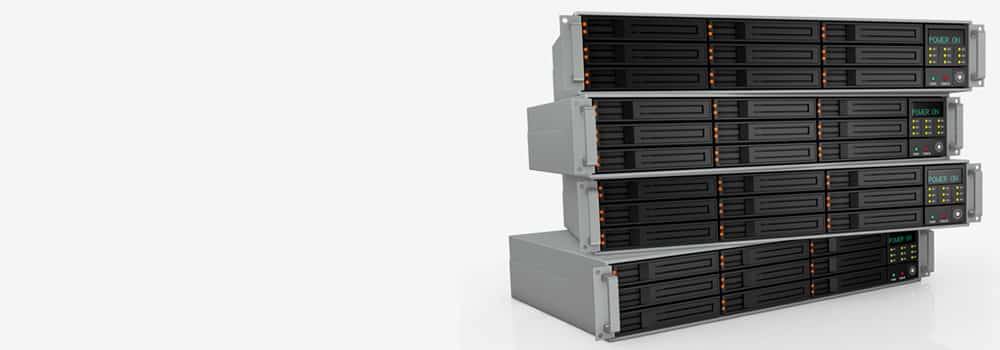
- Rack RAID Arrays
No matter the complexity or configuration, our team has the expertise to handle your RAID data recovery needs.
Supported RAID Brands
We provide data recovery services for all major RAID brands, including:
- Dell EMC
- Hewlett Packard Enterprise (HPE)
- Synology
- QNAP
- NetApp
- Western Digital (WD)
- Seagate
- Buffalo Technology
- Drobo
- Netgear
- Lenovo
- Intel
- ASUS
- Promise Technology
- LaCie (A Seagate Company)
- IBM
- Adaptec by Microchip
- Areca
- Thecus
- Other Custom or Proprietary Systems
Hard Drive Interfaces Supported
We recover data from RAID systems and NAS setups with the following drive interfaces:
- SATA (Serial Advanced Technology Attachment)
- NVMe (Non-Volatile Memory Express)
- M.2 Interface
- U.2 Interface
- SCSI (Small Computer System Interface)
- SAS (Serial Attached SCSI)
- PCIe (Peripheral Component Interconnect Express)
Supported Hard Drive Manufacturers
RAID and NAS systems typically contain drives from the following manufacturers:
- Seagate
- Western Digital (WD)
- Toshiba
- Samsung
- Hitachi (HGST)
- Kingston Technology
- Crucial (Micron Technology)
- SanDisk (A Western Digital Company)
- ADATA
- Fujitsu
- Maxtor
- Corsair
No matter the brand or type of drive, our recovery experts are fully equipped to handle the challenge.
Common RAID and NAS Issues We Resolve
We specialise in recovering data from all major RAID and NAS-related issues, including:
1. RAID Controller Failure
- Description: The RAID controller responsible for managing the array fails.
- Causes: Hardware failure, firmware corruption, or power surges.
- Impact: Prevents the RAID array from functioning correctly.
2. Multiple Drive Failure
- Description: More drives fail than the RAID level can tolerate, leading to data inaccessibility.
- Causes: Hardware defects, aging drives, or overheating.
- Impact: Data becomes inaccessible or corrupted.
3. RAID Rebuild Failure
- Description: A failed or interrupted RAID rebuild process causes further data issues.
- Causes: Faulty hardware, power loss during rebuild, or bad sectors on replacement drives.
- Impact: Array remains in degraded or failed state.
4. Logical Corruption
- Description: File system or metadata corruption on the RAID or NAS system.
- Causes: Improper shutdowns, malware, or firmware bugs.
- Impact: Files and folders become inaccessible or missing.
5. Disk Failure in RAID 0
- Description: A single disk failure in RAID 0 (striped array) results in total data loss.
- Causes: Hardware failure or physical damage.
- Impact: Complete array becomes unusable due to lack of redundancy.
6. Power Surges or Electrical Damage
- Description: Sudden voltage spikes damage RAID controllers, drives, or NAS systems.
- Causes: Lightning strikes, faulty power supplies, or improper grounding.
- Impact: System stops functioning or drives become inaccessible.
7. RAID Configuration Errors
- Description: Incorrect setup or reconfiguration of the RAID array leads to data loss.
- Causes: User error, misconfigured RAID parameters, or initialization issues.
- Impact: Loss of access to data on the array.
8. NAS Firmware Corruption
- Description: The NAS operating system becomes corrupted, preventing access to files.
- Causes: Failed firmware updates, software bugs, or malware attacks.
- Impact: Entire NAS system may become unresponsive.
9. Drive Reformatting
- Description: Drives within a RAID or NAS are accidentally formatted.
- Causes: User error or software conflicts.
- Impact: File structures are lost, leading to inaccessibility of data.
10. Bad Sectors on Drives
- Description: Physical or logical damage to disk sectors causes data loss.
- Causes: Aging drives, manufacturing defects, or power issues.
- Impact: Slower performance, corrupted files, or inaccessible data.
11. RAID Degradation
- Description: RAID operates in a degraded state due to a failed disk.
- Causes: Disk failure, delayed replacements, or mismatched drives.
- Impact: System performance drops, and data integrity is at risk.
12. Failed NAS Hard Drive
- Description: One or more drives in a NAS system fail, affecting data access.
- Causes: Mechanical issues, bad sectors, or overheating.
- Impact: Data loss or degraded performance.
13. Bit Rot (Data Degradation)
- Description: Gradual degradation of stored data due to media wear.
- Causes: Aging drives or infrequent array maintenance.
- Impact: Silent corruption of files over time.
14. NAS Network Configuration Issues
- Description: Misconfigured network settings prevent access to the NAS.
- Causes: Firmware updates, IP conflicts, or network hardware changes.
- Impact: NAS is inaccessible despite functioning storage.
15. Physical Damage to Drives
- Description: Drives suffer from physical issues like platter damage or head crashes.
- Causes: Drops, impacts, or mishandling during installation.
- Impact: Total drive failure and data inaccessibility.
16. Enclosure or Chassis Failure
- Description: The RAID or NAS hardware enclosure stops functioning.
- Causes: Power supply failure, overheating, or circuit board damage.
- Impact: Drives inside remain intact but inaccessible without recovery.
17. RAID Reinitialization
- Description: RAID array is accidentally reinitialized, overwriting configuration data.
- Causes: User error or faulty management software.
- Impact: Array structure is lost, and data becomes inaccessible.
18. Water or Liquid Damage
- Description: Liquid spills or floods damage the NAS or RAID hardware.
- Causes: Environmental factors or accidental exposure.
- Impact: Drives and controllers may fail completely.
19. Deleted Files or Volumes
- Description: Files or entire volumes are deleted accidentally or during maintenance.
- Causes: User error, malware, or software glitches.
- Impact: Data is lost but recoverable if not overwritten.
20. RAID Array Not Recognized
- Description: System fails to detect the RAID array or NAS storage.
- Causes: Firmware issues, controller failure, or corrupted metadata.
- Impact: Data becomes completely inaccessible.
Our Data Recovery Process
- Free Diagnostics: A detailed evaluation of the RAID system and its faults.
- Transparent Report: Clear recovery steps and cost estimate provided upfront.
- Data Recovery: Advanced recovery performed by our experienced engineers.
- Data Verification: Ensuring the recovered data is intact and accessible.
- Delivery: Secure return of your data on a medium of your choice.
Why Choose Us?
- 25 Years of Experience: A trusted name in data recovery across Scotland.
- Advanced Tools: Cutting-edge equipment for RAID and NAS recovery.
- High Success Rate: Expertise in recovering data from the most complex RAID issues.
- Secure Process: Confidential handling of your data throughout the recovery process.
- Free Diagnostics: No charge for assessing your RAID or NAS system.
Contact Us Today
Don’t let data loss disrupt your operations. Our team is ready to help you recover your critical files quickly and securely.