

RAID 1 Disk Recovery Specialist in Edinburgh – 25 Years of Expertise
With 25 years of experience, we are Scotland’s leading RAID 1 data recovery specialists, offering professional services for all types of RAID 1 systems. From home users to enterprise solutions, we ensure your critical data is recovered quickly and securely, no matter the complexity of the issue.
Why Choose RAID 1 Data Recovery Services?
RAID 1 (Mirroring) provides data redundancy by storing identical copies of data on two or more drives. However, it is not immune to data loss due to simultaneous drive failures, logical errors, or hardware issues. Our advanced recovery techniques are designed to handle all RAID 1 challenges.
Types of RAID 1 Systems We Handle
We recover data from all configurations of RAID 1 systems, including:
- Software RAIDs
- Hardware RAIDs
- NAS (Network Attached Storage)
- Large NAS Systems
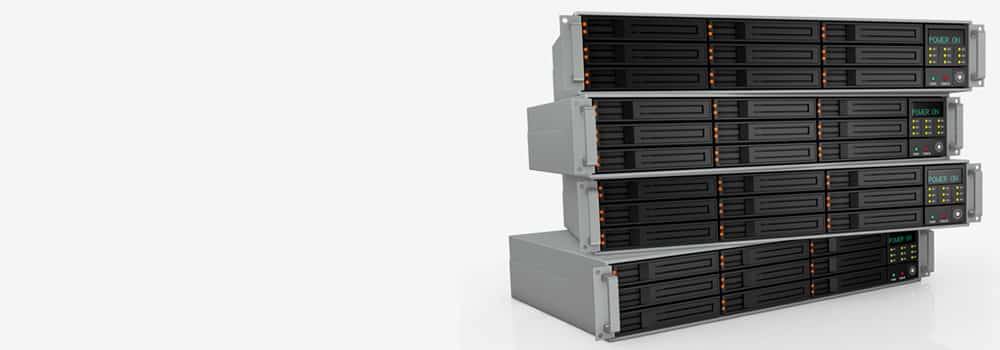
- Rack RAID Systems
Supported RAID 1 Brands
We recover data from all major RAID 1 manufacturers, including:
- Dell EMC
- Hewlett Packard Enterprise (HPE)
- Synology
- QNAP
- NetApp
- Western Digital (WD)
- Seagate
- Buffalo Technology
- Drobo
- Netgear
- Lenovo
- Intel
- ASUS
- Promise Technology
- LaCie (A Seagate Company)
- IBM
- Adaptec by Microchip
- Areca
- Thecus
- Other Custom or Proprietary Systems
Supported Hard Drive Interfaces
Our services extend to RAID 1 systems with the following hard drive interfaces:
- SATA (Serial Advanced Technology Attachment)
- NVMe (Non-Volatile Memory Express)
- M.2 Interface
- U.2 Interface
- SCSI (Small Computer System Interface)
- SAS (Serial Attached SCSI)
- PCIe (Peripheral Component Interconnect Express)
Supported Hard Drive Manufacturers
RAID 1 systems often use drives from the following manufacturers:
- Seagate
- Western Digital (WD)
- Toshiba
- Samsung
- Hitachi (HGST)
- Kingston Technology
- Crucial (Micron Technology)
- SanDisk (A Western Digital Company)
- ADATA
- Fujitsu
- Maxtor
- Corsair
No matter the brand or type, our expertise ensures successful recovery from all RAID 1 drives.
Common RAID 1 Issues We Recover From
1. Simultaneous Drive Failure
- Description: Multiple drives fail simultaneously, compromising redundancy.
- Causes: Aging drives, power surges, or overheating.
- Impact: Complete data inaccessibility.
2. Logical Corruption
- Description: File system or partition table corruption affects both mirrored drives.
- Causes: Software glitches, malware, or improper shutdowns.
- Impact: Files and directories become unreadable.
3. RAID Controller Failure
- Description: The RAID controller managing the array malfunctions or fails.
- Causes: Hardware defects, power surges, or firmware issues.
- Impact: RAID configuration is lost, and the array becomes inaccessible.
4. Accidental Deletion
- Description: Files or folders are accidentally deleted, affecting both drives in the mirror.
- Causes: User error or accidental formatting.
- Impact: Data is lost unless promptly recovered.
5. Power Surges or Electrical Damage
- Description: Sudden voltage spikes damage the RAID controller or drives.
- Causes: Lightning strikes, faulty power supplies, or outages.
- Impact: Drives may fail entirely, and the array becomes inaccessible.
6. Drive Synchronization Errors
- Description: Synchronisation between the mirrored drives fails, causing inconsistencies.
- Causes: Hardware defects, interruptions during rebuilds, or firmware bugs.
- Impact: Data may differ between drives, leading to partial corruption.
7. RAID Metadata Corruption
- Description: Corruption of metadata that defines the RAID configuration.
- Causes: Controller failures, firmware issues, or accidental overwrites.
- Impact: RAID becomes unrecognisable to the system.
8. Drive Reinitialization
- Description: Accidental reinitialisation of one or both drives in the array.
- Causes: User error during setup or troubleshooting.
- Impact: RAID structure is erased, making data inaccessible.
9. Firmware Issues
- Description: Problems with the RAID controller firmware cause array errors.
- Causes: Failed updates or compatibility issues.
- Impact: Drives may appear offline or cause the array to fail.
10. Bad Sectors
- Description: Physically or logically damaged sectors on one or both drives.
- Causes: Aging drives, manufacturing defects, or improper handling.
- Impact: Files stored in bad sectors become corrupted or inaccessible.
11. Overheating
- Description: Excessive heat damages drives or RAID controllers.
- Causes: Poor ventilation, faulty cooling systems, or prolonged use.
- Impact: Drives may fail, causing partial or total data loss.
12. Physical Damage
- Description: Drives sustain physical damage such as head crashes or platter scratches.
- Causes: Mishandling, dropping, or environmental factors.
- Impact: Drives may stop functioning entirely.
13. MBR or GPT Corruption
- Description: Corruption of the Master Boot Record (MBR) or GUID Partition Table (GPT).
- Causes: Malware, software issues, or improper shutdowns.
- Impact: The system fails to locate partitions, rendering data inaccessible.
14. RAID Rebuild Failure
- Description: Errors occur during the RAID rebuild process after a drive replacement.
- Causes: Bad sectors on the remaining drive or hardware malfunctions.
- Impact: Data consistency between drives is lost, making recovery complex.
15. Drive Degradation
- Description: Gradual wear and tear reduce drive performance and reliability.
- Causes: Aging components or heavy usage.
- Impact: Drives may fail, leading to partial or total data loss.
16. RAID Misconfiguration
- Description: Errors during the RAID setup result in incorrect configurations.
- Causes: User error or software bugs.
- Impact: Drives fail to sync or mirror data properly.
17. Water or Liquid Damage
- Description: Liquid exposure damages RAID hardware or drives.
- Causes: Spills, floods, or environmental factors.
- Impact: Drives and controllers may fail completely.
18. Deleted or Overwritten Volumes
- Description: A volume on the RAID array is deleted or overwritten.
- Causes: User error, software glitches, or malware.
- Impact: Data is lost but can be recovered if not overwritten.
19. Array Not Recognized
- Description: RAID 1 array is no longer detected by the system.
- Causes: Controller failure, corrupted metadata, or hardware damage.
- Impact: Data becomes completely inaccessible.
20. SSD-Specific Issues in RAID 1
- Description: SSD degradation or controller failures affect the mirrored drives.
- Causes: Excessive write operations, NAND flash wear, or firmware glitches.
- Impact: Drives become unresponsive or show inconsistent data.
Our RAID 1 Data Recovery Process
- Free Diagnostics: Assess the RAID 1 system to identify the issue.
- Transparent Report: Provide a detailed report on the recovery process and costs.
- Data Recovery: Use advanced techniques to recover data.
- Verification: Ensure all recovered data is intact and accessible.
- Delivery: Return recovered data securely on a medium of your choice.
Why Choose Us?
- 25 Years of Experience: Trusted by businesses and individuals across Scotland.
- Cutting-Edge Tools: Equipped to handle complex RAID 1 recovery cases.
- High Success Rate: Proven expertise in recovering data from RAID 1 failures.
- Secure Handling: Your data’s confidentiality is guaranteed.
- Free Diagnostics: Get a no-obligation assessment of your RAID 1 issue.
Contact Us Today
Don’t let RAID 1 failures compromise your data. Trust Scotland’s No.1 RAID 1 data recovery specialist for secure and efficient recovery of your critical files.